Level up your lab for Electrochemistry Education & Basic electrochemistry research

Electrochemistry education introduces students to the fundamental principles of redox reactions, electrode processes, and electrochemical analysis. Through practical experiments, learners gain critical skills in scientific measurement, data interpretation, and experimental design that are essential for careers in chemistry, materials science, and energy research.

Modern teaching labs require reliable, versatile, easy-to-use instrumentation that bridges theory and practice, helping students understand the application of various electrochemical techniques.

Key factors to consider when selecting a potentiostat for teaching lab or electrochemistry pioneers:

  • Easy to use – User-friendly interface and clear workflows to support quick learning
  • Versatile – Capability to perform a wide range of techniques, e.g. cyclic voltammetry, chronoamperometry, EIS, and more
  • Affordable – Budget-conscious solutions without compromising measurement quality
  • Compact – Small size to fit in classroom or small lab setups.
  • Robust – Durable hardware that can handle frequent use in teaching labs.

What are your challenges in Education or Basic electrochemistry research?

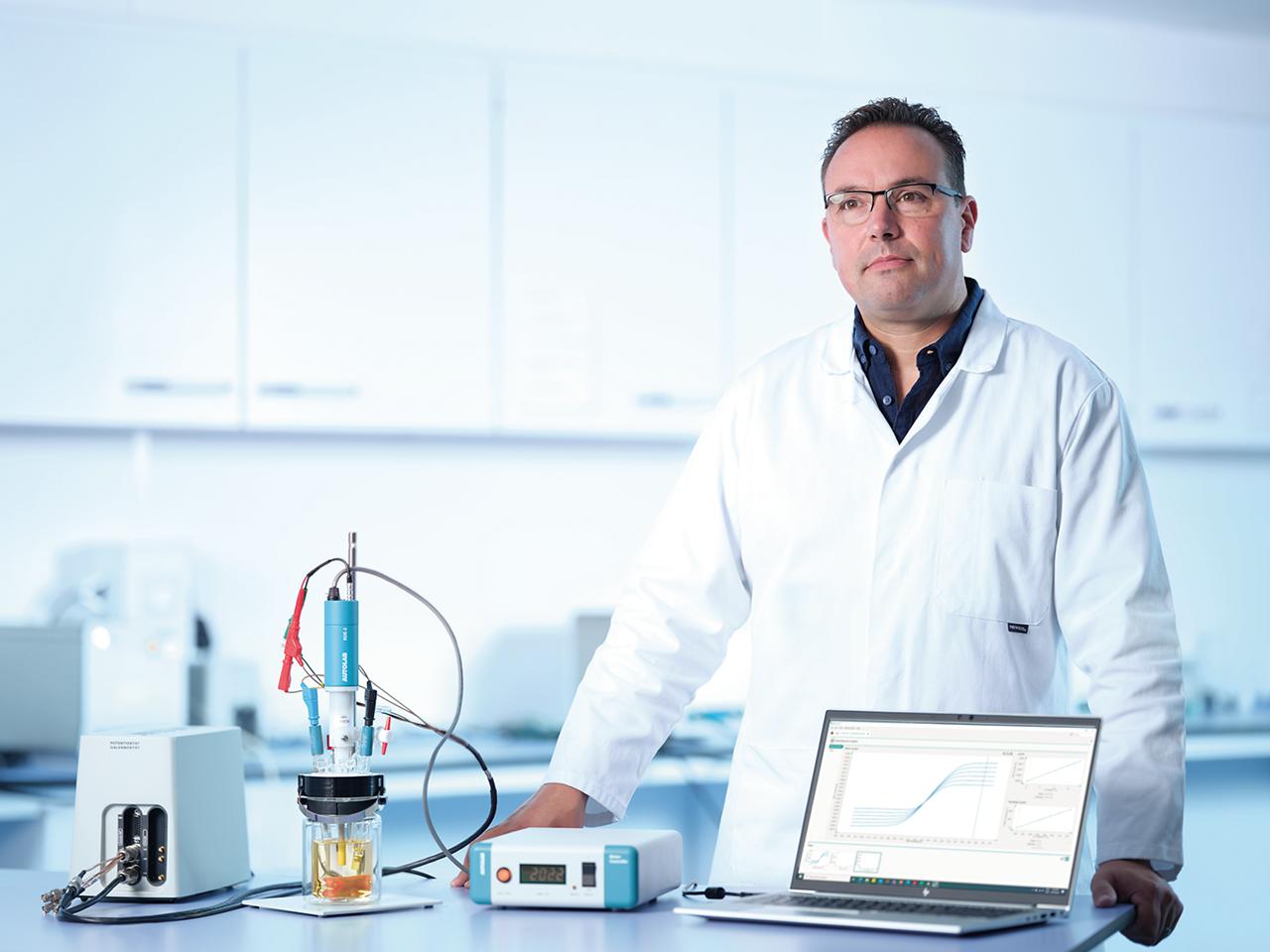
The compact Autolab IMP and AUT101 allow students to start researching quickly and easily, to develop practical skills for all electrochemistry techniques and applications.
Image

Configurable setup for elektrochemistry education & basic electrochemistry research

Level up your lab: Metrohm Autolab is the obvious choice when looking for electrochemistry instrumentation and software which will allow students and researchers to start developing practical electrochemistry skills quickly and easily, in any application and with any technique. It offers the most versatile, reliable, and accurate equipment, accessories, and software with ready-to-use as well as customizable procedures, complemented by rapid and expert technical and application support.

Metrohm Autolab potentiostats/galvanostats
Image

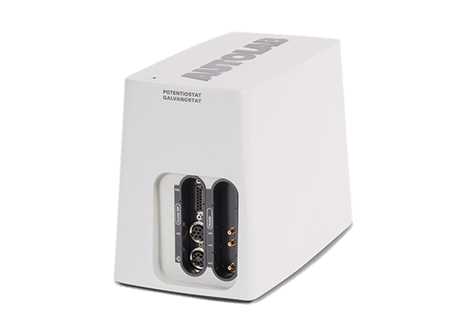
Autolab compact line: Autolab IMP

  • Single channel potentiostat/ galvanostat
  • Space-saving compact solution
  • Compliance voltage: ± 10 V
  • Lowest current range: ± 10 nA; Maximum current: ± 100 mA
  • EIS: up to 1 MHz maximum frequency
  • RDE control
  • Capable of all electrochemical techniques
  • Compatibility with Metrohm Dropsens Screen Printed Electrodes (SPE) with available adaptors and connectors
Image

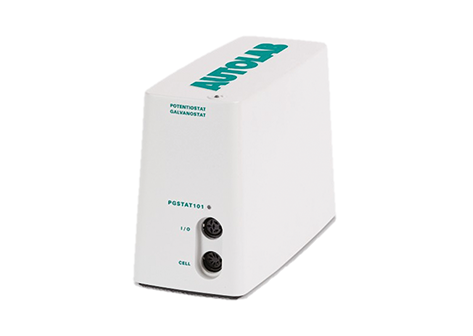
Autolab compact line: AUT101

  • Single channel potentiostat/ galvanostat
  • Space-saving compact solution
  • Compliance voltage: ± 10 V
  • Lowest current range: ± 10 nA; Maximum current: ± 100 mA
  • RDE control
  • Analog and Digital I/O for external control
  • Capable of all electrochemical DC and pulsed techniques
  • Compatibility with Metrohm Dropsens Screen Printed Electrodes (SPE) with the available adaptors and connectors

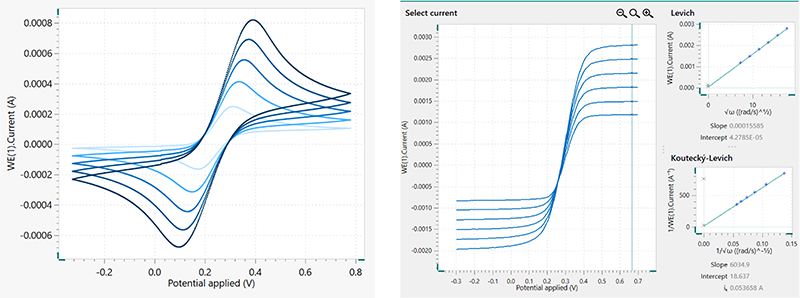
INTELLO and NOVA software features for basic electrochemistry research
Image
Image

Electrochemical Techniques and software features for electrochemistry education or basic electrochemistry research:

  • Easily accessible Electrochemistry Fundamentals Library with 11 fundamental electrochemistry procedures for immediate use
  • More than 60 customizable ready-to-use procedures in the main procedure library
  • Comprehensive demo database covering most of the techniques and applications
  • Data acquisition and data analysis in the same, license-free NOVA software
  • Peak search, baseline correction, corrosion rate analysis
  • Linear and non-linear regression, iR drop correction, integration, calculate signal and more
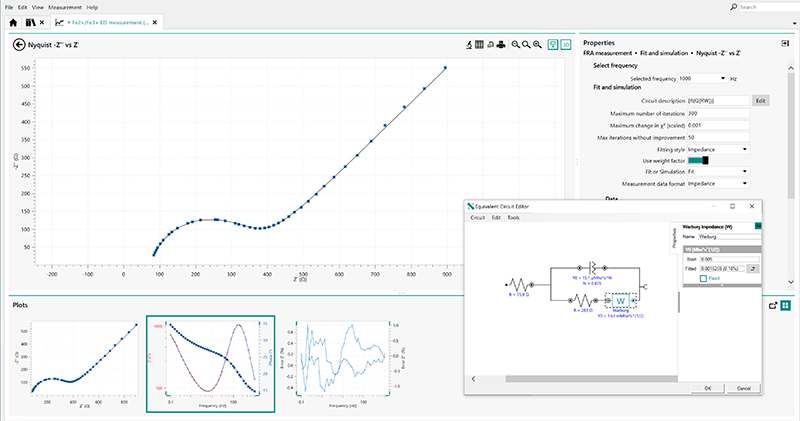
  • Hydrodynamic control for RDE with dedicated Koutecky-Levich hydrodynamic analysis feature
  • EIS data fit with an extensive equivalent circuit library
  • Full control of VA663 automatic electrode with polarography and voltammetry techniques on Hg and solid electrodes
  • Full NOVA functionality combined with Metrohm Autolab potentiostat/galvanostat specifications allows a quick and easy start of your electrochemistry research

Specific accessories for electrochemistry education


Hydrodynamic measurements

Hydrodynamic measurements 

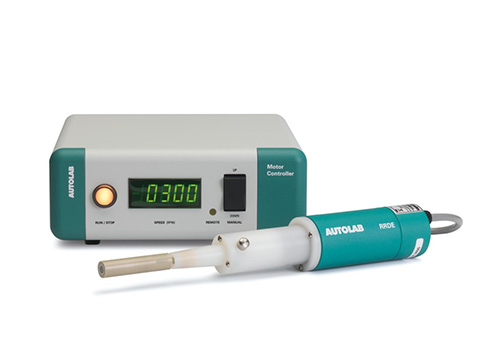
Metrohm Autolab Rotating Disk Electrode (RDE) complete setup

  • Compatible with 3 mm and 5 mm diameter disk electrodes, ideal for advanced electrochemical research with measurements under controlled hydrodynamic conditions
  • Wide rotation speed range: 100 – 10000 rpm with 1 rpm resolution, manual or software integrated control
  • Ultra clean and ultra-low noise achieved with frictionless liquid (Hg) contact ensuring pristine signal quality for sensitive experiments
  • Seamlessly integrates with Metrohm cell vessels and other standard electrochemical cells.
  • Complete setup includes: Motor controller, rotator, rotating disk electrode, and connection cable for integration with Autolab potentiostats

Multimode electrode with Hg-drop capability

 Hydrodynamic measurements

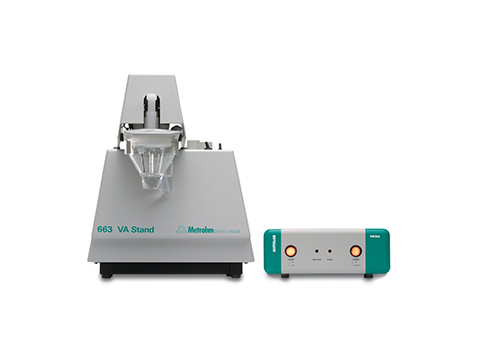
Metrohm Autolab 663 VA Stand

  • Essential accessory for optimizing polarographic and voltammetric measurements from fundamental to specialized electroanalytical and trace analysis.
  • Compatible with a wide range of electrodes such as the Hg-drop electrode (i.e., MME pro), rotating disk electrodes, and scTRACE Gold electrodes
  • Software-controlled, seamlessly integrated with any Autolab workstation
  • Complete setup includes: Multi-Mode electrode pro (MME), the Ag/AgCl reference electrode and a Glassy carbon auxiliary electrode for an adaptable and high-precision measurements with purge and stirring control

Faraday cage

 Hydrodynamic measurements

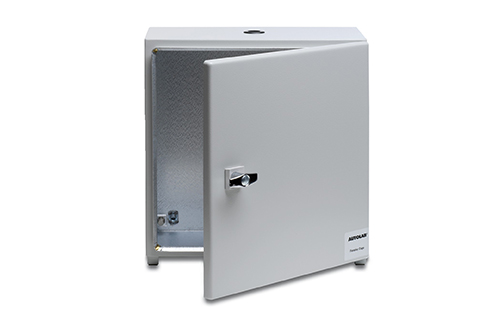
Autolab Faraday Cage

  • Provides optimal electromagnetic interference (EMI) shielding for sensitive electrochemical experiments, especially when measuring small signals
  • Effectively blocks unwanted interference signals, ensuring the integrity of your experimental results
  • With earth terminal inside the cage for easy and direct grounding to your Autolab potentiostat
  • Spacious design for corrosion cells, Autolab R(R)DE rotator, Autolab Optical bench to fit inside the large Faraday cage
  • Available in 2 different sizes : (WxDxH) 38x21x38 cm3 or 38x30x60 cm3

General purpose electrochemical cells

 Hydrodynamic measurements

General purpose electrochemical cells

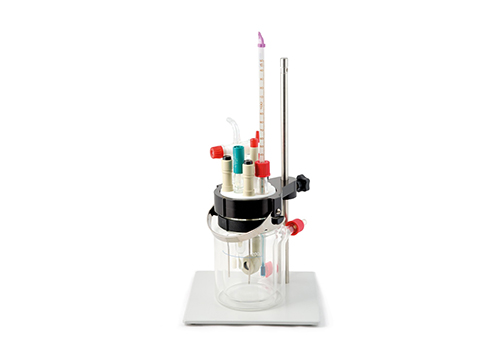
  • Suitable for 2-, 3- or 4-electrode configurations
  • Exchangeable borosilicate glass cell vessels, available in a wide range of volumes from 5 mL to 400 mL
  • Cell vessels available with thermostatic jacket
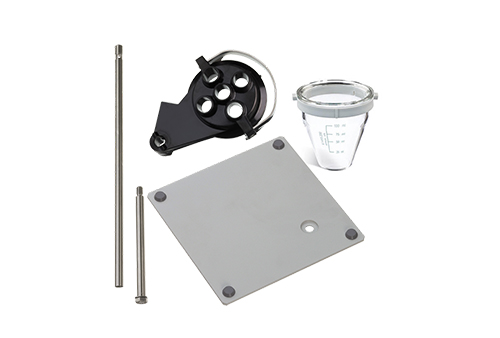
  • Fit up to 5 electrodes or accessories (e.g., thermometer, gas inlet, pH sensor etc.), directly in the standard lid (standard 14/15 conical joint size)
  • Corrosion resistant support stand with rod for cell stability and adjustable height
  • Direct fitting of the Autolab R(R)DE and RCE into the lid
  • Fits in the large Autolab faraday cage

Corrosion cell

 
 Hydrodynamic measurements

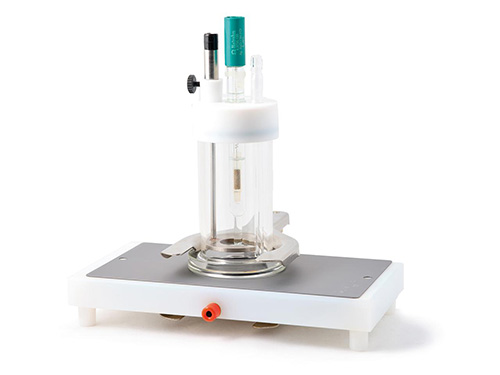
Metrohm Autolab 250 mL corrosion cell

  • Specially designed corrosion cell: thermostable, 250 mL electrolyte volume, 1 cm² exposed sample surface area
  • PEEK sample holder with gold coated contacts, suitable for corrosion samples with a diameter ranging from 14.7 mm to 16 mm and thickness from 0.5 mm up to 4 mm.
  • Samples and sample holder compatible with the ASTM compliant 1L corrosion cell
  • Fits in the large Autolab Faraday cage
  • Complete setup includes: a sample holder, counter and reference electrodes, thermometer and gas inlet, corrosion resistant support with rod

 Corrosion cell 04

Metrohm Autolab Flat Platform cell for corrosion

  • Specialized corrosion cell for large, flat samples: 50 mL electrolyte volume, 17 cm² exposed sample surface area
  • PVC Sample platform with Viton O-ring seal, with direct sample contact through standard 4 mm banana plugs
  • Fits in the Autolab Faraday cages
  • Complete setup includes: a PVC platform, counter and reference electrodes, gas inlet

Cells for Screen Printed Electrodes (SPE)

 Hydrodynamic measurements

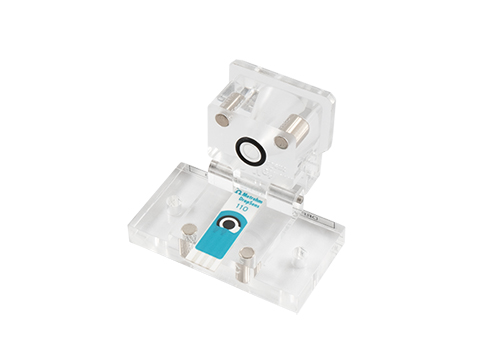
Metrohm DropSens cells for Screen Printed Electrodes (SPE)

  • Electrochemical cells compatible with the Metrohm Dropsens Screen Printed Electrodes (SPE)
  • Available for any type of SPEs and any applications, for measurements done in static or flow conditions
    Smart design, low volume, accurate and convenient to use

Working electrodes

 Corrosion cell 01

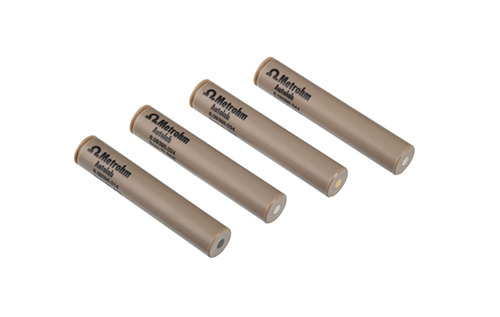
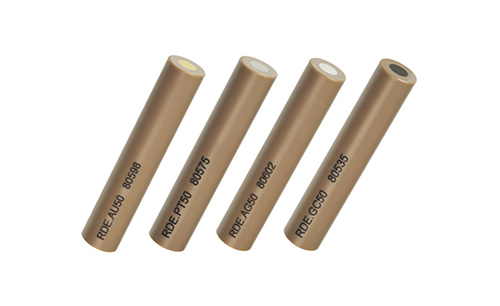
Metrohm Autolab 3 mm disk electrodes

  • Electrode tips with 3 mm active material disk in a PEEK shaft for the best chemical compatibility
  • Available with different disk materials such as: Platinum (Pt), Gold (Au), Glassy Carbon (GC), Silver (Ag)
  • Directly compatible with the Autolab RDE and RRDE rotators for hydrodynamic measurements (as rotating disk electrodes)
  • Conveniently used in static conditions with a pin connector (M4) and a Metrohm electrode shaft with integrated 4 mm banana connector

Hydrodynamic measurements 

Metrohm Autolab 5 mm disk electrodes

  • Electrode tips with 5 mm active material disk and a PEEK shaft for the best chemical compatibility
  • Available with different disk materials such as: Platinum (Pt), Gold (Au), Glassy Carbon (GC), Silver (Ag) and other metals. A blank shaft is also available which can be filled with your own material
  • Directly compatible with the Autolab RDE and RRDE rotators (only for Pt, GC and Au) for hydrodynamic measurements (as rotating disk electrodes)
  • Conveniently used in static conditions with a pin connector (M4) and a Metrohm electrode shaft with integrated 4 mm banana connector

Hydrodynamic measurements 

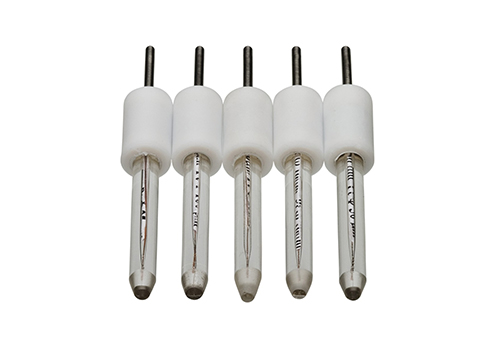
Microelectrodes

  • Comprehensive range of microelectrodes for exploring fundamental electrochemical principles, developing novel sensors, or investigating complex biological systems
  • Exceptional sensitivity, reduced Ohmic drop, enhanced mass transport, minimal sample volume, suitable for a broad range of electrochemical techniques
  • Available in a wide range of materials (e.g., Pt, Au, Ag, Ir) and disk diameters (10, 25, 50, 100, 500 µm)
  • Fit directly into the Metrohm electrode shaft with integrated 4 mm banana connector for convenient and precise connection to your potentiostat
  • Due to the low measured current signals, the use of an Autolab Faraday cage is recommended for electrochemical measurements with microelectrodes

Hydrodynamic measurements 

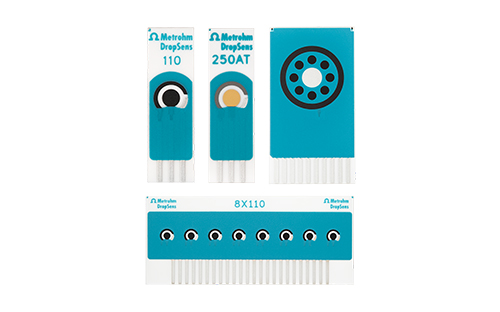
Metrohm DropSens Screen Printed Electrodes (SPE)

  • Screen-printed electrodes (SPEs) are manufactured by printing a wide variety of inks over different substrates allowing rapid on-site analysis with high reproducibility, sensitivity and accuracy.
  • Disposable, single use sensors which eliminate the electrode maintenance
  • Specially designed to work with microvolumes, provide a low-cost, miniaturized platform for electrochemical research in different fields such as (bio)sensors, electroanalytical, electrocalatysis and others
  • Available with a wide range of materials, configurations and types
  • Conveniently connected to the Autolab potentiostats by using dedicated adaptors

Counter (Auxiliary) electrodes

 Corrosion cell 01

Platinum sheet counter electrode

  • Can be used as a counter electrode for most electrochemical measurements
  • Consists of a thin platinum sheet (~1 cm² surface area), embedded into a glass shaft
  • Highly inert, robust and easy to clean
  • Integrated 4 mm banana connector for convenient and precise connection to your potentiostat
  • Standard 14/15 conical fitting, fits directly into the Metrohm Autolab measurement cells without any additional adaptors

Reference electrodes

 Corrosion cell 01

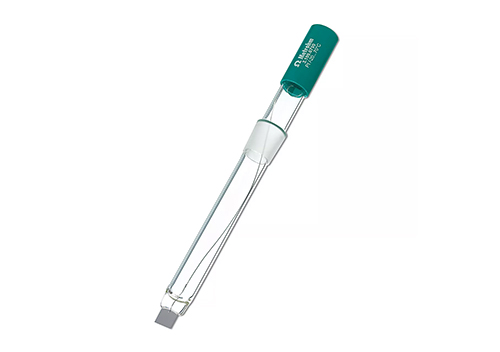
Metrohm single-junction Ag/AgCl reference electrode

  • General purpose, refillable, silver/silver chloride (Ag/AgCl) reference electrode with c(KCl) = 3 mol/L as reference electrolyte, suitable for aqueous applications
  • Sigle junction with low impedance, low leakage ceramic diaphragm, with glass shaft material, suitable for most of the electrochemical measurements across various applications
  • Integrated 4 mm banana connector for convenient and precise connection to your potentiostat
  • Standard 14/15 conical fitting, fits directly into the Metrohm Autolab measurement cells without any additional adaptors

Hydrodynamic measurements 

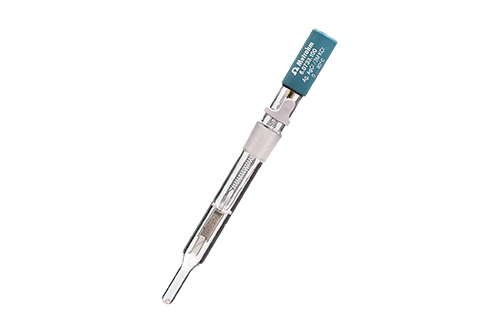
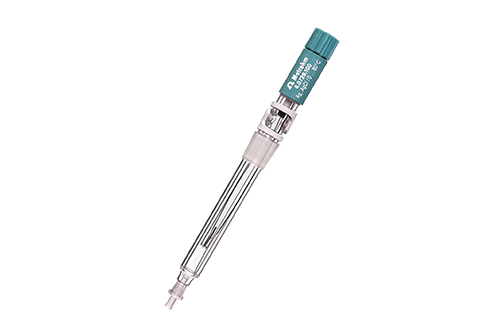
Metrohm double-junction Ag/AgCl reference electrode

  • General purpose, refillable, silver/silver chloride (Ag/AgCl) reference electrodes suitable for aqueous and non-aqueous applications
  • Double-junction with low impedance, low leakage ceramic diaphragm, with glass shaft material, suitable for electrochemical measurements sensitive to (external) ionic impurities
  • Refillable and freely selectable reference and bridge electrolyte according to the application requirements
  • Integrated 4 mm banana connector for convenient and precise connection to your potentiostat
  • Standard 14/15 conical fitting, fits directly into the Metrohm Autolab measurement cells without any additional adaptors

Adaptors and connectors

 Corrosion cell 01

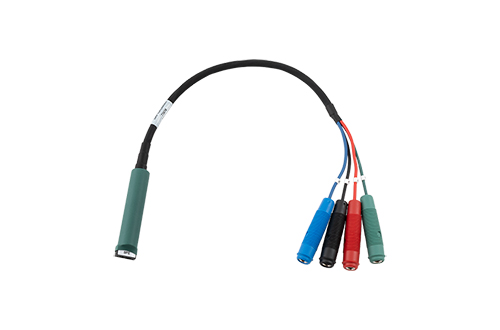
Adaptor cable for connecting Metrohm Dropsens SPEs to 4 mm banana connectors

  • Flexible adapter cable to conveniently connect the Metrohm Autolab potentiostats to the Metrohm DropSens Screen Printed Electrodes (SPEs)
  • 4 mm banana connectors are directly attached to the adapter cable to conveniently connect to any Autolab potentiostat cable
  • Recommended when working with SPEs immersed in solution or when working with cells and flow-cells

Hydrodynamic measurements 

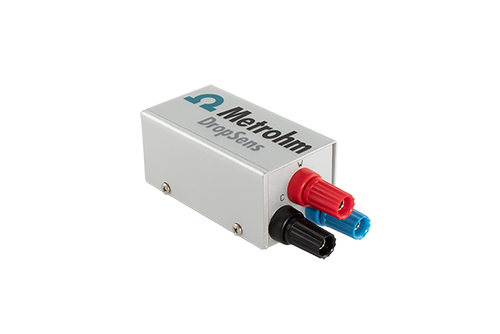
Connector box for connecting Metrohm DropSens SPEs to 4 mm banana connectors

  • Robust adapter box to conveniently connect the Metrohm Autolab potentiostats to the Metrohm DropSens Screen Printed Electrodes (SPEs)
  • Integrated 4 mm banana connectors to conveniently connect any Autolab potentiostat cable
  • Recommended when working with SPEs in microvolumes, i.e., by placing a drop of electrolyte over the electrode
Hydrodynamic measurements 

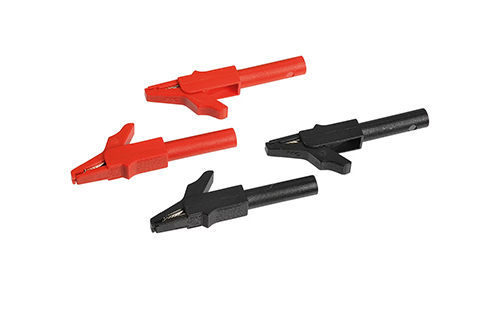
Alligator clips

  • Alligator clips directly attachable to the standard 4 mm banana connectors
  • Convenient and precise connection of your Autolab potentiostat to electrodes with non-standard connection used in your electrochemical cell
  • Available in 2 different sizes in red and black

We're here to help

Contact our local experts for tailored recommendations based on your application.

>

+