Electrochemical measurements in Electrolysis research
Electrolysis research focuses on driving chemical reactions using electrical energy, converting compounds into value-added products or studying fundamental reaction mechanisms. It underpins technologies such as:
- Water electrolysis for hydrogen production
- CO₂ reduction to fuels and chemicals
- Oxygen and chlorine evolution
- Electrosynthesis of fine chemicals
Understanding reaction kinetics, electrode processes, and mass transport phenomena is critical to optimizing efficiency, selectivity, and stability. Electrochemical techniques provide real-time insight into these processes, enabling the design of more effective electrolyzers and electrochemical reactors.
Resources about electrochemical Electrolysis research




Key factors to consider when selecting a potentiostat for electrolysis research:
- Wide current range: To study both small lab-scale electrodes and practical devices under realistic current densities
- High voltage compliance: Supports reactions requiring significant voltage such as oxygen evolution and CO₂ reduction
- Fast scan rates: Capture transient phenomena during rapid electrochemical reactions
- Advanced EIS capability: Analyze charge transfer, mass transport, and double-layer effects
- Multi-channel capability: Parallel testing of multiple electrodes or catalysts
- Computer-free operation: Operate the potentiostat independently without connecting a laptop, freeing your computer for other tasks in the lab/ at home
What are your challenges in Electrolysis research?
All instruments manufactured by Metrohm Autolab have both galvanostat and potentiostat functionality. VIONIC and the modular 302N instruments have the specifications and functionalities which best fit the electrolysis application. When using them in Galvanostatic mode, the applied current and the duration are precisely controlled.
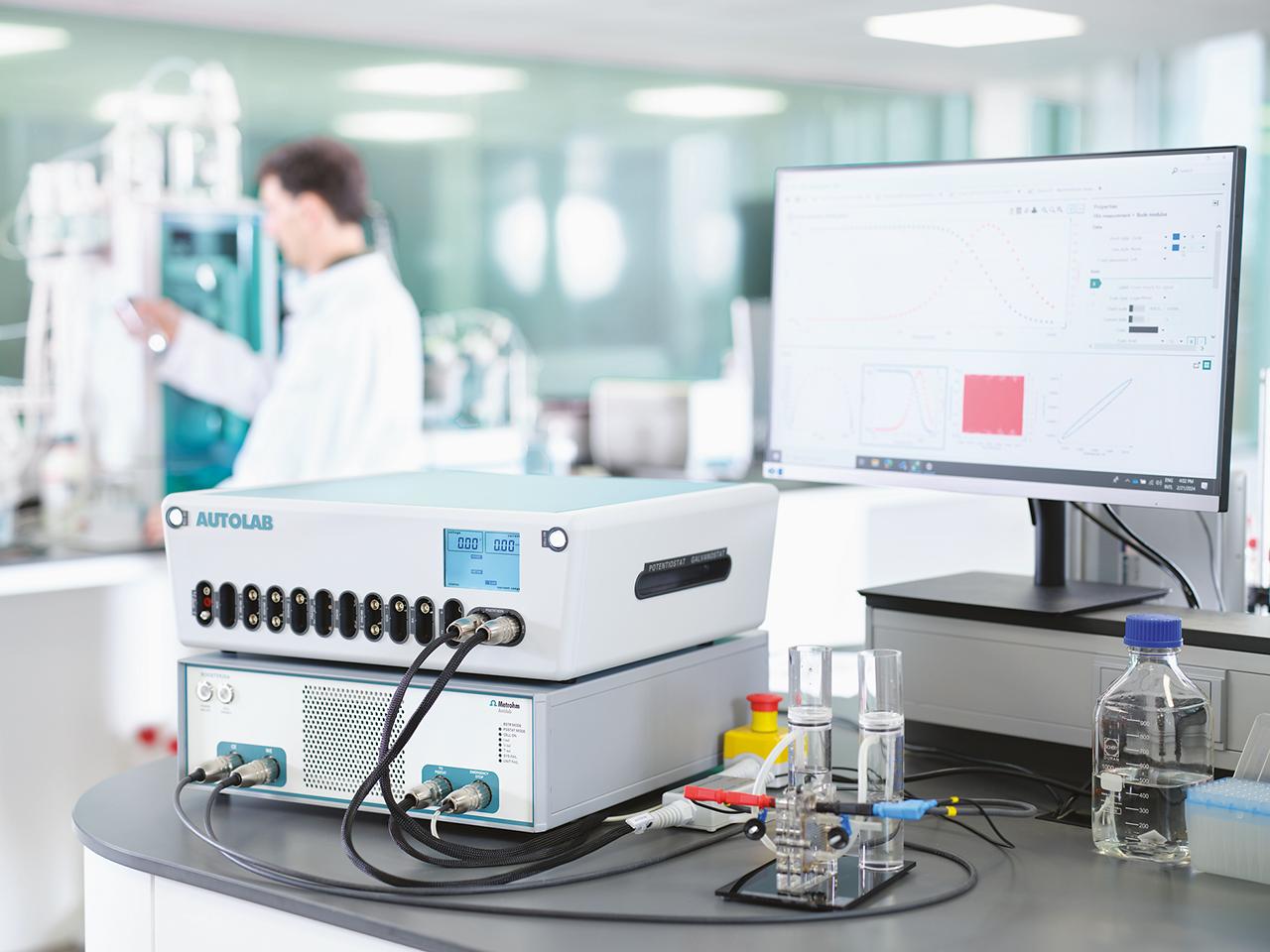
Configurable setup for electrolysis research
Metrohm Autolab offers complete solutions for electrolysis, for both electrocatalyst research and electrolyzer testing. Your research will benefit from the versatility, reliability, and the specifications of the equipment, accessories, and software with ready-to-use but customizable procedures for both routine and exploratory measurements. Additionally, the rapid and expert technical and application support will ensure quick and hassle-free investigations and characterizations of electrode materials and testing of electrolyzers.
Metrohm Autolab potentiostats/galvanostats
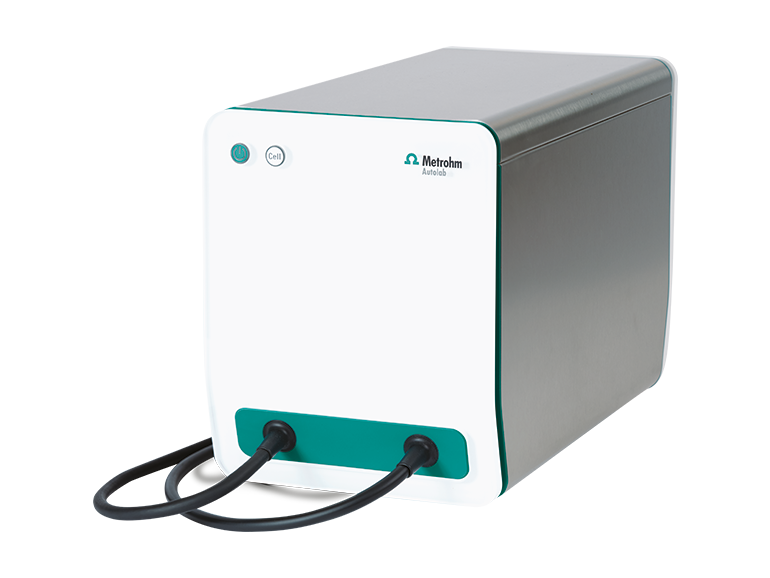
VIONIC powered by INTELLO
- Single channel, all-in-one potentiostat/galvanostat
- Dual-mode compliance voltage: ± 10 V / ± 50 V
- Second sense (S2) for monitoring a second potential
- Lowest current range: ± 1 nA; Maximum current: ± 6 A
- EIS: up to 10 MHz maximum frequency
- Maximum current: ± 6 A
- Seamless measurements with down to 1 µs sampling interval
- True analog scan
- RDE control
- Computer-free operation with internal memory
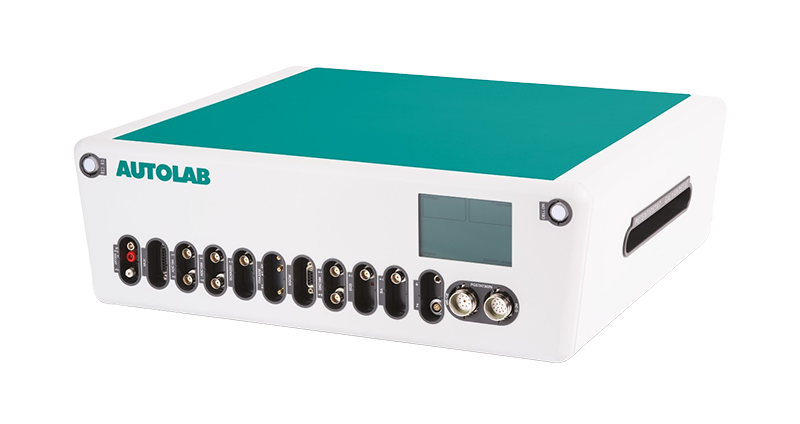
Autolab Modular line: AUT302N
- Single channel modular potentiostat/galvanostat
- Highest versatility, upgradeable with up to 11 optional modules
- Compliance voltage: ± 30 V
- Lowest current ranges: ± 10 nA (± 100 pA with ECD module); Maximum current: ± 2 A
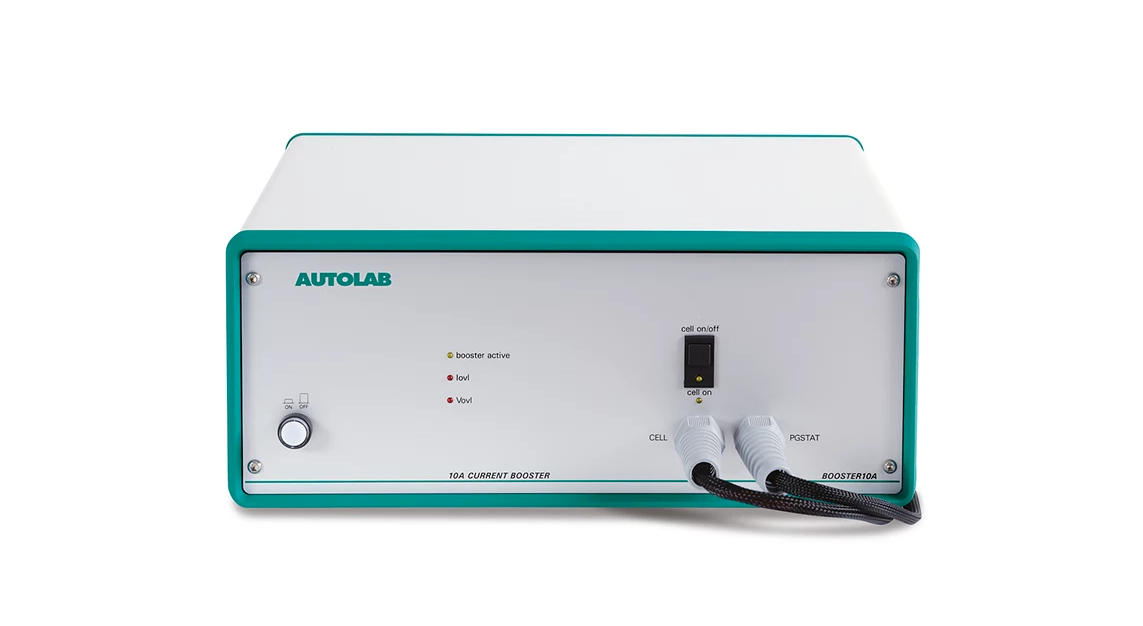
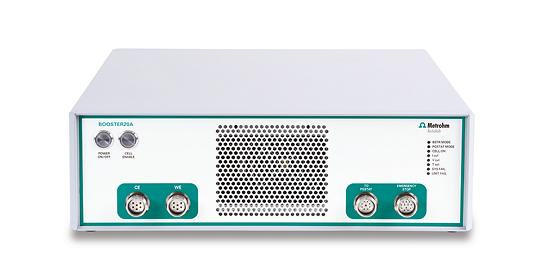
- ± 20 A Booster option available
- EIS: up to 1 MHz or 10 MHz maximum frequency, optional
- True analog scan, optional
- Bipot (BA) option available
- R(R)DE control
INTELLO and NOVA software features for electrolysis
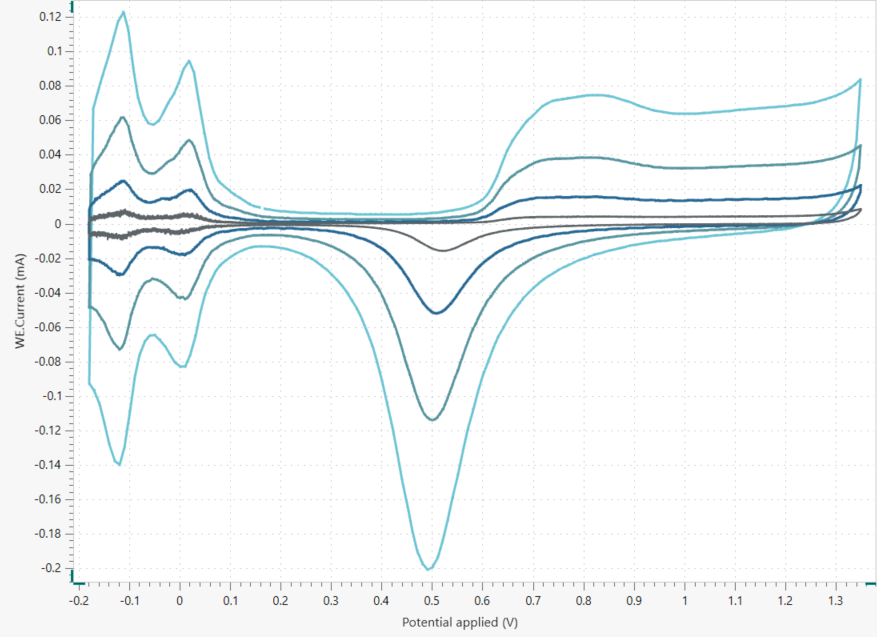
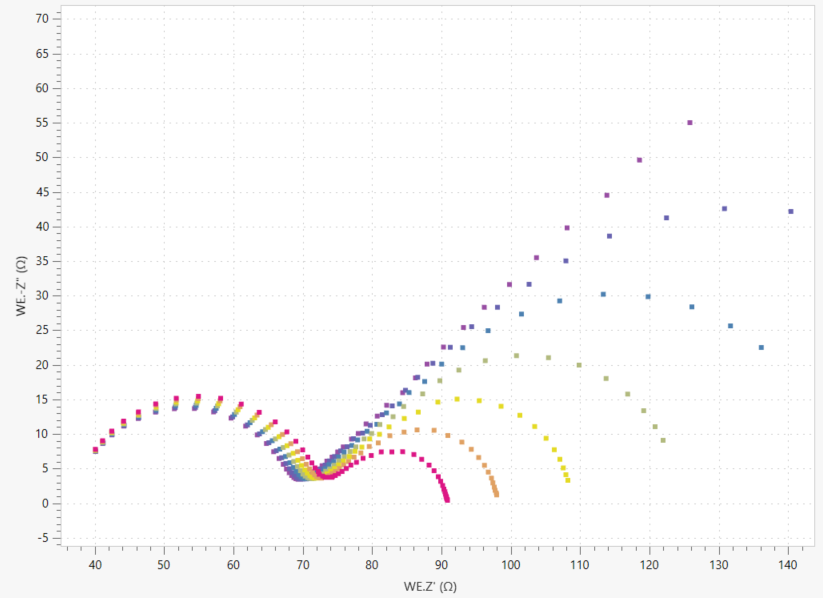
Electrochemical Techniques and software features for electrolysis:
- Fast and standard chronoamperometry/chronopotentiometry methods
- True analog scan for the most accurate results for interfacial processes
- High-accuracy EIS with a maximum frequency of up to 10 MHz, with Potentiostatic and Galvanostatic EIS, Hydrodynamic EIS, Mott-Schottky Analysis, Integrated EIS data fitting with equivalent circuit modelling
- iR drop measurement and automatic correction
- Oscillation detection and cell protection with user-defined rules, automatic or manual manual Cell On/Off switch
- Easily control third-party external accessories such as electronic loads and power supplies
- External EIS when using third party electronic loads or power supplies
- NOVA SDK (Software Development Kit) allows the control of Autolab instruments from popular external applications such as LabVIEW, Visual Basic for Applications (VBA), Python scripting, and other custom environments
- Computer-Free Operation (Untethering) with storage of up to 10 million data points in VIONIC’s internal memory and can be seamlessly transferred back to your computer once reconnected
- Automatic data saving and export to ensure data integrity
Accessories for Electrolysis Research
Current Boosters |
 |
|
 |
|
|
Hydrodynamic measurements |
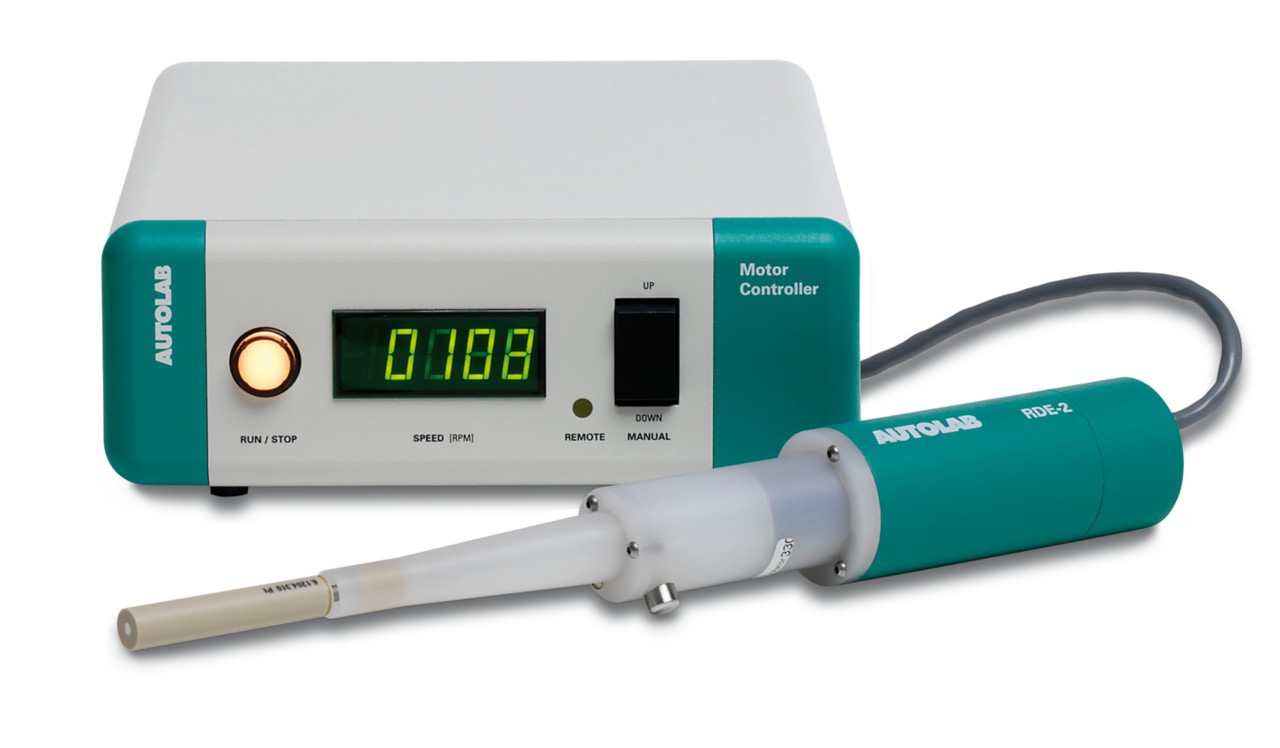 |
Metrohm Autolab Rotating Disk Electrode (RDE) complete setup
|
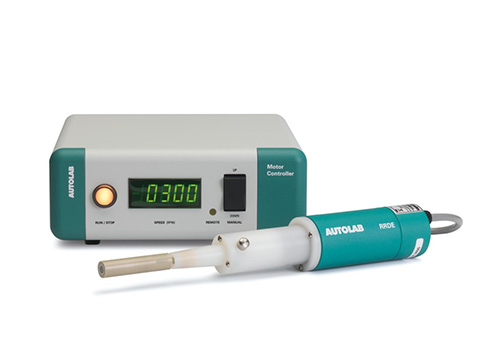 |
Metrohm Autolab Rotating Ring Disk Electrode (RRDE) complete setup
|
|
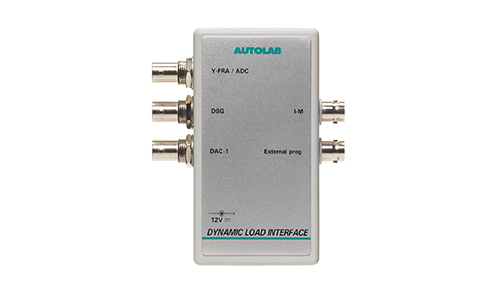
Dynamic load interface |
|
Metrohm Autolab Dynamic load interface
|
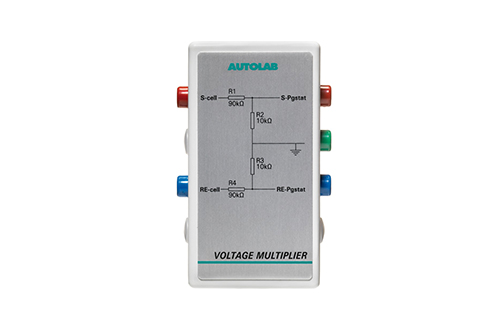
Voltage multiplier |
|
Metrohm Autolab Voltage Multiplier
|
RRDE cell |
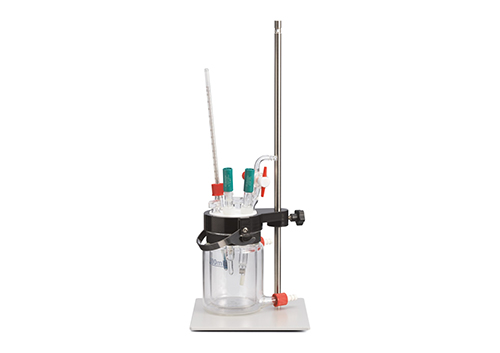 |
Metrohm Autolab RRDE cell for electrocatalysis
|
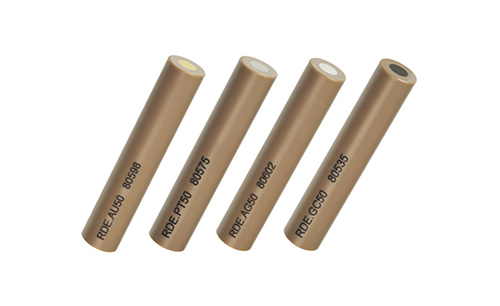
Working electrodes |
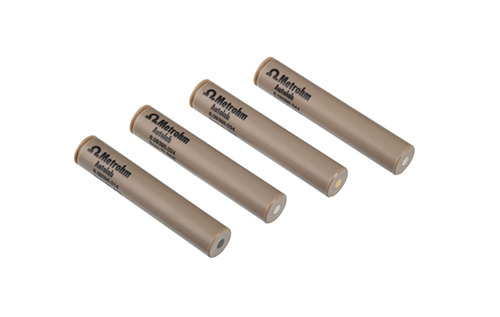 |
Metrohm Autolab 3 mm disk electrodes
|
|
|
Metrohm Autolab 5 mm disk electrodes
|
|
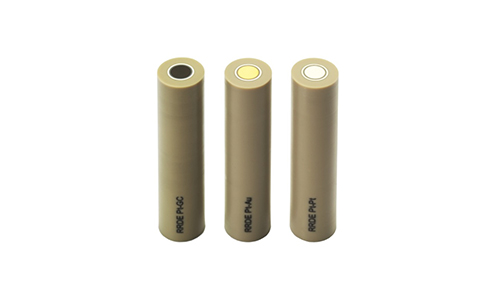 |
Metrohm Autolab Ring-Disk electrodes
|
|
|
|
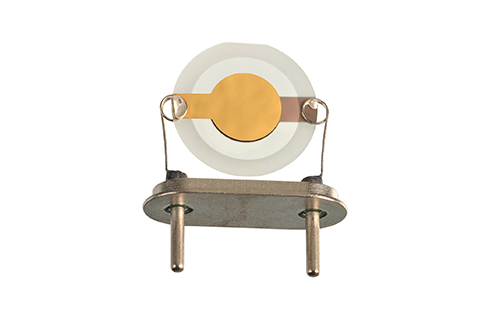
Electrochemical quartz crystal microbalance (EQCM) crystals
|
|
Counter (Auxiliary) electrodes |
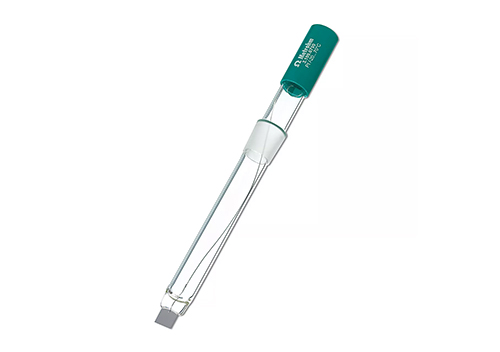 |
Platinum sheet counter electrode
|
|
|
Metrohm Autolab EQCM compatible counter electrode
|
|
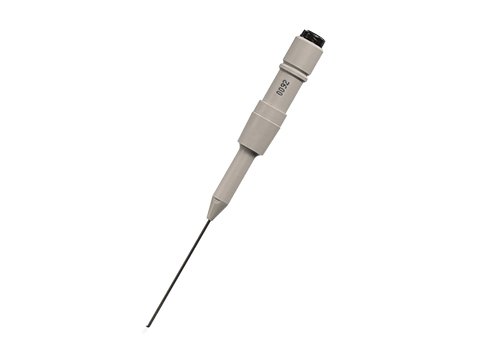 |
Metrohm Autolab Rod electrodes
|
|
Reference electrodes |
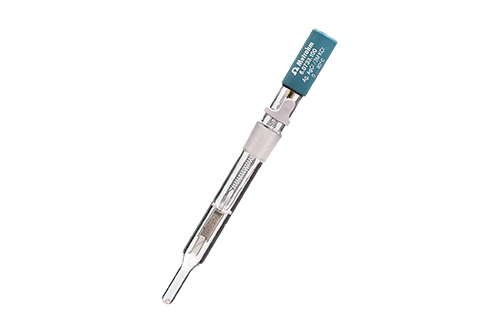 |
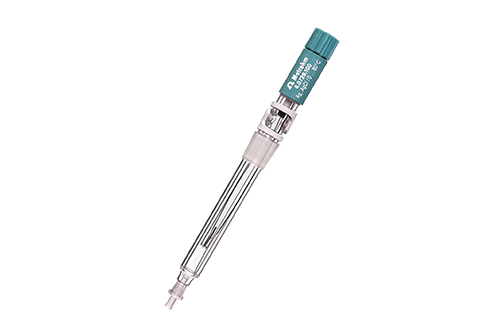
Metrohm single-junction Ag/AgCl reference electrode
|
|
|
Metrohm double-junction Ag/AgCl reference electrode
|
|
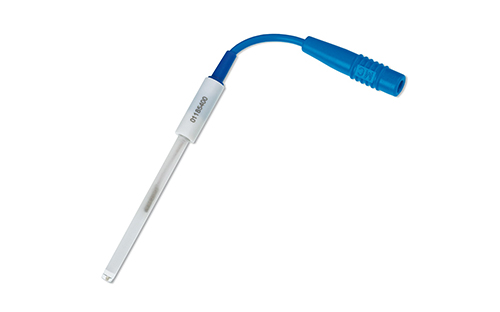 |
Metrohm Autolab EQCM compatible Ag/AgCl reference electrode
|
|
Adaptors and connectors |
 |
|

We're here to help
Contact our local experts for tailored recommendations based on your application.

